
Band-like Pressure
This occurs when neck and scalp muscles tighten due to stress or fatigue, creating a squeezing sensation around the head.
Our clinic has moved to Cypress: 21212 Northwest Fwy, Suite 205, Cypress, TX 77429. Phone, fax and email are unchanged. Virtual visits are available for patients located in Texas.Moving detailsBook a virtual visit
Tension headaches are the most common type and can be especially frustrating when simple remedies don’t bring relief. We’re here to help you manage them effectively.
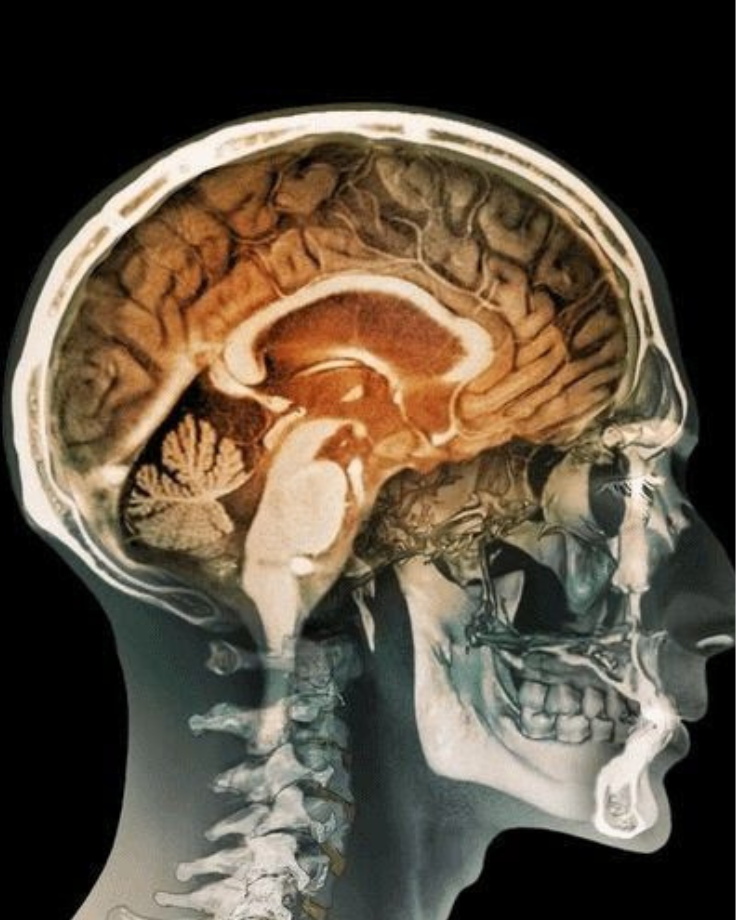
Tension headaches are the most common type of headache, often caused by stress, muscle strain, or poor posture. They usually bring a steady, dull pain that can make everyday tasks difficult.Often occurs due to.
This occurs when neck and scalp muscles tighten due to stress or fatigue, creating a squeezing sensation around the head.
The prolonged contraction of muscles can lead to steady, dull pain that lasts for hours or even days.
Stress, poor posture, and muscle strain from long sitting or screen time often set off or worsen tension headaches.
We carefully distinguish tension headaches from migraines and other types, so you get the right treatment.
Our approach targets common causes like stress, posture, and muscle strain to reduce recurrence.
We don’t just ease current pain we help prevent future headaches with proven strategies.
We provide solutions that match your lifestyle, daily habits, and health needs.
Methods like stretching, massage, or heat therapy help ease tight muscles in the neck and shoulders.
Stretching Exercises
Gentle neck and shoulder stretches reduce stiffness and improve blood flow.
Massage Therapy
Targeted massage helps release muscle knots and lowers tension-related pain.
Heat or Cold Packs
Applying heat relaxes muscles, while cold packs can numb pain and reduce discomfort.
Relaxation practices such as deep breathing or mindfulness help prevent stress-triggered headaches.
Breathing Exercises
Slow, deep breathing calms the nervous system and reduces headache intensity.
Mindfulness & Meditation
Practicing mindfulness helps manage stress and prevent frequent headaches.
Cognitive Techniques
Stress-management strategies train the mind to handle triggers more effectively.
Healthy routines around sleep, hydration, and posture lower the risk of recurring pain.
Sleep Hygiene
Regular, restful sleep helps prevent fatigue-related headaches.
Hydration & Nutrition
Staying hydrated and eating balanced meals reduce common headache triggers.
Posture Correction
Adjusting sitting and working positions eases strain on neck and back muscles.
Don’t let Idiopathic Intracranial Hypertension (IIH) impact your vision or quality of life. With timely care and expert treatment, you can protect your health and regain control of your daily activities.