Our clinic has moved to Cypress: 21212 Northwest Fwy, Suite 205, Cypress, TX 77429. Phone, fax and email are unchanged. Virtual visits are available for patients located in Texas.Moving detailsBook a virtual visit

Episodic and Chronic Migraines
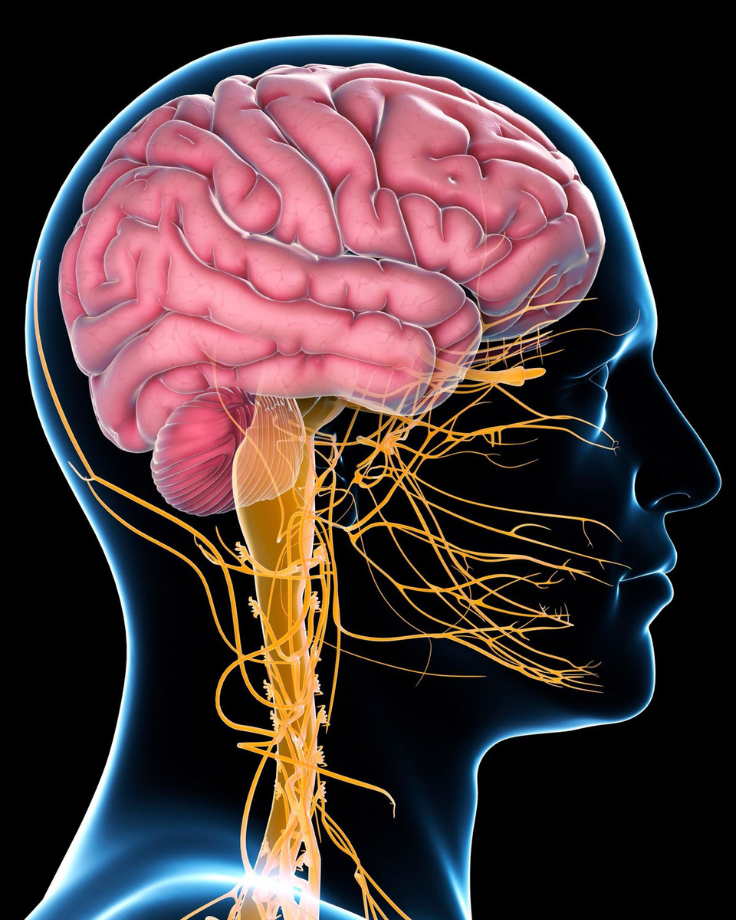
What are Migraines?
Migraines are intense headaches that can significantly impact daily life, often accompanied by nausea, light sensitivity, or dizziness.
Pain & Sensitivity
Moderate to severe head pain, usually one-sided, often pulsating, with sensitivity to light and sound.
Visual & Neurological Symptoms
May include visual auras, dizziness, or brain fog that signal an impending migraine attack.
Trigger Sensitivity & Fatigue
Migraines can be worsened by triggers such as stress, certain foods, or hormonal changes, and are often accompanied by fatigue or low energy during and after an attack.
What are Migraines?
Episodic Migraines
Fewer than 15 headache days per month. Generally easier to manage with lifestyle changes and medications.
Chronic Migraines
15 or more headache days per month, often with nausea, dizziness, and other symptoms. More severe and complex to treat.
Hormonal Migraines
Linked to hormonal changes, these migraines can occur even in episodic cases, often increasing in severity.
Symptoms of Migraine
- One-sided headache.
- Intense throbbing and pulsating pain.
- Sensitivity to light and sound.
- Nausea and vomiting.
- Disturbed and irritated mood.
- Trouble Sleeping.
- Dizziness.
Migraine Relief Plans
- Evaluation
- Triggers
- Treatment
- Personalized Care
A detailed review of medical history and symptoms ensures an accurate diagnosis and forms the foundation for effective migraine management. Options include:
- Patient History Assessment: Reviewing past headaches, family history, and lifestyle factors to identify patterns.
- Symptom Analysis: Examining headache frequency, intensity, and associated symptoms for precise diagnosis.
- Diagnostic Tests: Using imaging or lab tests when necessary to rule out other conditions.
Identifying the specific migraine type and potential triggers helps guide treatment and prevent future attacks. Options include:
- Trigger Tracking: Monitoring food, stress, and sleep patterns to pinpoint causes.
- Subtype Classification: Determining whether migraines are with aura, without aura, or other variants.
- Lifestyle Evaluation: Assessing habits that may contribute to attack frequency or severity.
Combining medical and non-medical approaches provides comprehensive migraine management. Options include:
- Medications: Acute and preventive treatments to manage and reduce headaches.
- Therapies: Physical therapy, biofeedback, or cognitive behavioral therapy for long-term relief.
- Lifestyle Modifications: Stress management, sleep regulation, and dietary adjustments.
Custom plans help each patient manage migraines effectively and improve quality of life. Options include:
- Individualized Treatment: Combining therapies and medications suited to the patient’s needs.
- Monitoring & Adjustment: Regular follow-ups to adapt the plan as symptoms change.
- Education & Support: Teaching patients about triggers, coping strategies, and preventive measures.